How to Read a Timber House Quote: Scope and Hidden Costs
A quote is not a promise. It is a map of responsibility: where the supplier's work starts, where it stops, and what quietly stays with you. Read a timber house quote that way and the total at the bottom becomes the least interesting number on the page.
Why houses cost what they cost is what actually drives the cost of a timber house; here we open the document itself and check it line by line, in the order a careful reader does: from the wall itself up to the promises pinned to it.
Line 1. The wall you are actually buying
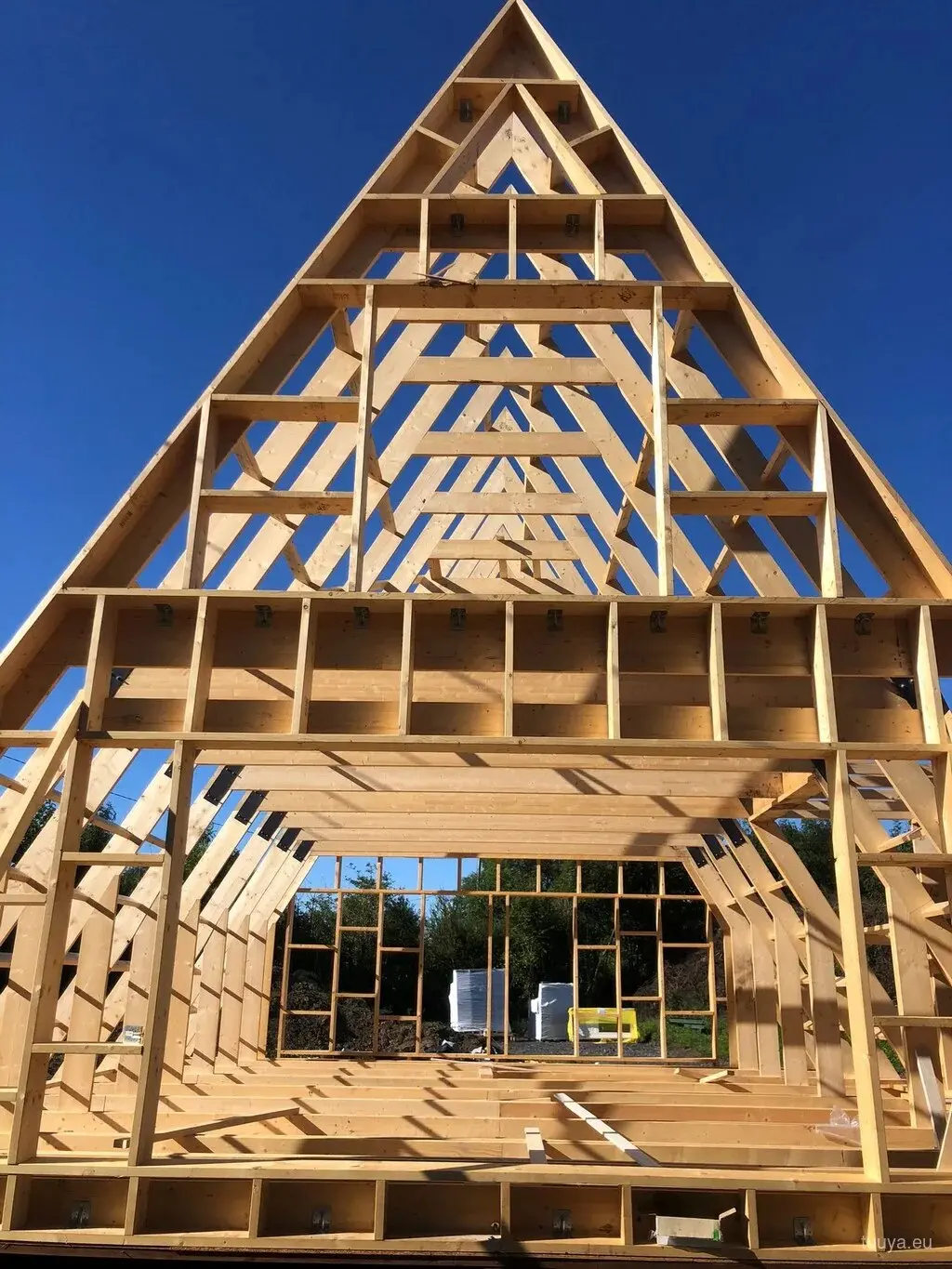
Read the wall line first. It defines everything downstream. A quote that names only "timber walls" is telling you almost nothing. You want the system, the panel thickness, the insulation strategy, and whether the price is for a solid panel or a framed cavity wall filled on site.
Which system suits your plot and spans is a separate decision, worked through in MHM, CLT and timber frame as three different walls. On the quote itself, the wall line has one job: to name the thing precisely enough that another supplier could price the same thing.
Then check what the wall price contains. External sheathing, membranes and any service battens are sometimes bundled and sometimes priced separately. Ask for the U-value the quoted build-up reaches, not the best case for that material in the abstract.
The question that settles this line: which system, at what thickness, reaching what U-value as built?
Line 2. The foundation figure
The foundation is the line most often left out, and the most expensive surprise when it is. A common split is this: the supplier quotes the building that sits on the slab and leaves the slab, the groundworks and the drainage to a local contractor. That can be perfectly reasonable. It is only a problem when the quote does not say so plainly.
The ground moves this line more than the house does; for the document in front of you, the check is short. A foundation figure with no soil survey behind it is not a price, it is a hope with a number on it.
Ask, in writing: is the foundation included, excluded, or provisional pending a ground investigation?
Line 3. Windows and doors: product or allowance
Windows and doors are where allowances hide. A quote may carry them as a lump-sum "provisional" figure rather than a specified product, which means the real number is set later, once someone chooses the actual window. Look for the frame material, the glazing specification and the U-value per opening.
Ask whether the price is supply only or installed. Fitting, sealing and the airtightness connection around each opening are skilled work, and leaving it off the quote does not make it free. The same goes for external doors, thresholds and any large gable glazing, which brings its own structural and sealing detail.
One question does the work: are these specified products with installation, or a provisional sum to be priced later?
Line 4. Delivery and the crane
On the quote, delivery is a one-check line: was it priced for a clean textbook run, or for your actual address with its lanes, weight limits and turning space? A supplier who has seen photos of your access prices one thing; a supplier who has not is pricing an assumption.
Offloading is a separate question from transport. Some quotes include a crane or a Moffett. Others expect you to arrange the lift on the day. A missing crane line is a classic hidden cost, because craneage booked late and on its own costs more than craneage planned with everything else.
Get it in writing: delivery priced for this address, and the crane either in the price or named as mine.
Line 5. Assembly and the handover point
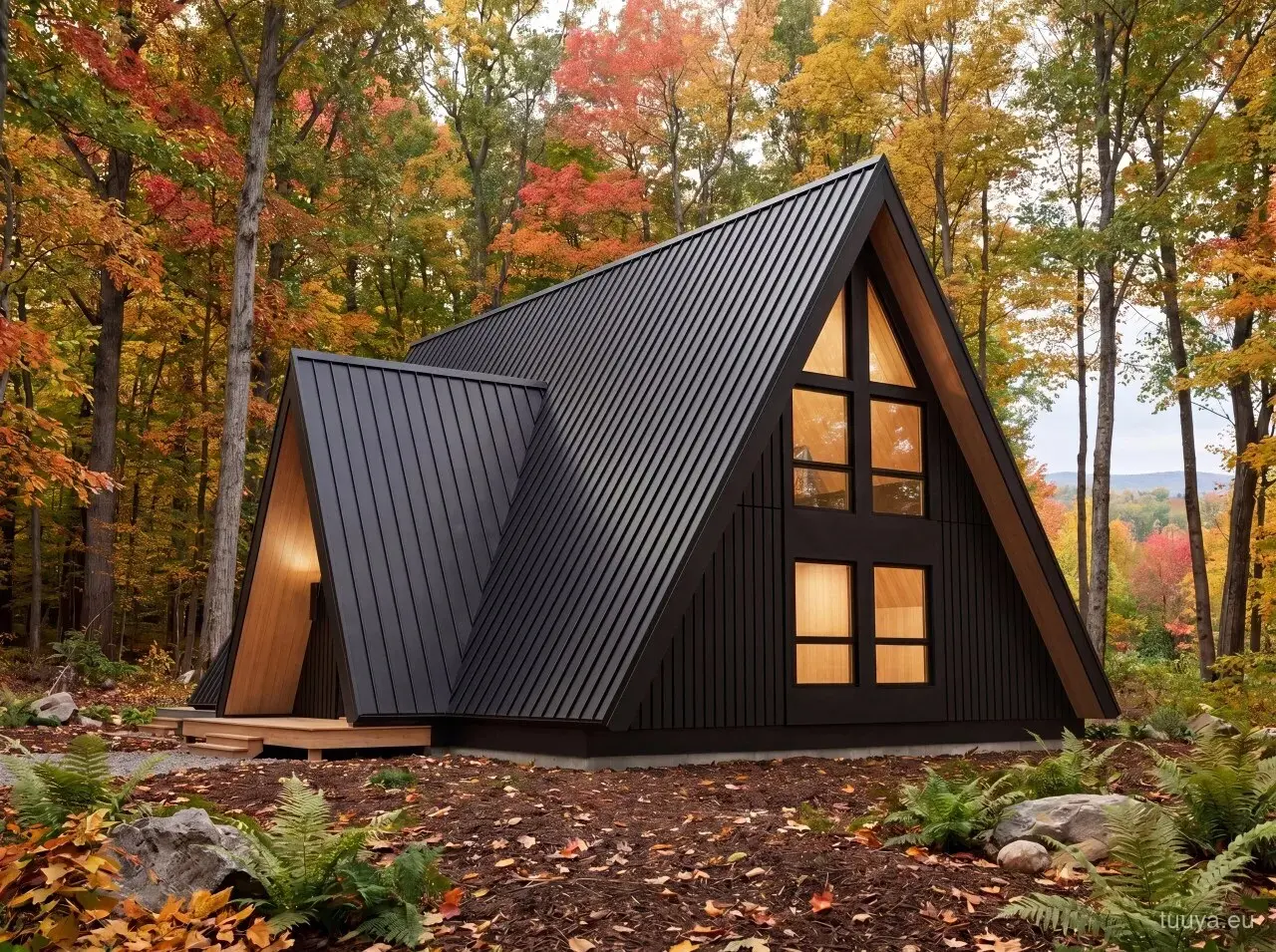
Assembly is the line that separates a supply-only kit from a delivered building. Supply only gives you a stack of components and a drawing. An assembly quote adds a crew and the labour to raise the shell. These are different numbers, and setting one against the other is the easiest way to be misled.
Where assembly is included, ask what "complete" means. Structural erection, roof covering, membranes and the point at which the building becomes weathertight are distinct stages, and a quote can stop at any of them. One detail tells you a lot about how a factory works: in a prefabricated kit the window openings are cut before the truck leaves the factory, so nobody arrives on site with a circular saw. A quote from a supplier who builds that way reads differently from one that prices carpentry by the day.
The question worth asking here is at which named stage the building is handed over, and whether that stage is written into the quote.
Line 6. What stays outside the quote
Interior finishing usually sits outside a shell quote, and that is the right place for it. Plumbing, electrics, heating, screed, internal linings, kitchens and bathrooms are arranged locally because they depend on your specification and your region's trades. The trap is assuming the shell price is close to a finished house.
The shell is one block in a bigger budget, not the budget itself, and treating the shell price as a nearly finished house is the single most common way two quotes get compared unfairly.
The question to ask: which trades am I hiring myself, and by which stage of the build do they need to be booked?
Line 7. The promises attached
Warranty and timeline are the promises attached to everything above, and they belong in writing. A warranty is only as good as its terms: what it covers, for how long, and which conditions on installation or maintenance keep it valid. A structural warranty on the timber says nothing about the membranes or the fitting unless those are named.
Timelines deserve the same scrutiny. A lead time for manufacture is not a completion date, and a completion date leans on foundations, deliveries and local trades the supplier may not control. Ask what the quoted timeline actually commits to, and what events would move it. That turns the schedule into a shared understanding rather than an optimistic line.
Ask, before signing: what exactly does the warranty cover in writing, and what does the timeline promise beyond a manufacturing lead time?
None of this is about distrust. A clear scope protects both sides, and the fairest way to compare offers is to make every quote answer the same questions. Once you know the system you want, the wider guidance on choosing solid timber houses helps you turn a rough enquiry into a specification a supplier can price precisely.
What to verify in a timber house quote before you sign
- Before you sign: the wall system with thickness and as-built U-value, the foundation stated as included, excluded or provisional, and warranty terms with what the timeline commits to.
- Before production starts: windows and doors as named products with installation, and the frozen design the panels will be cut from.
- Before delivery: transport priced for your address, the crane arranged, the slab surveyed, and the named handover stage on paper.
Frequently asked questions
Can I order the house before the building permit is granted?
In most European jurisdictions you can sign and start the design work while the permit application runs, though the exact sequence is worth confirming with your local authority. Panels are not cut before the design is frozen, because a change after cutting is a new panel, not an edit.
When does production actually start?
Once the design is frozen and the contract terms are met. That is the date to anchor the timeline to, not the enquiry or even the signature. Everything before it is preparation; everything after it moves with factory scheduling and delivery.
Can the foundations be built before the kit arrives?
They usually should be. Foundations follow their own drawings and curing times, and a slab that is ready and surveyed before delivery is what keeps the assembly on site short. The quote should say who supplies those drawings and who checks the finished slab against them.
Test your own scope against something real. Look at a finished timber build and ask which of these lines your quote covers. The gaps show up fast.