Windows & glazing
Wooden Windows
Every European type of the timber window, made to measure in Latvia: tilt and turn, sash and casement, Scandinavian outward, alu-clad, fixed, heritage and fire-rated. Surveyed, made and installed as one project.
Wooden windows are windows whose frame and sash are engineered timber: laminated pine, larch, meranti or oak, machined to a chosen profile depth and glazed to the performance your house needs. Built well, they can outlast the fashion cycles of uPVC and stay repairable for decades.
| Types | Tilt & turn, casement, sash, Scandinavian, Dutch, alu-clad, fixed, heritage, fire-rated. All nine |
|---|---|
| Profiles | 68 to 115 mm frame depth, plus alu-clad. The four depths |
| Glazing | Double, triple or quadruple, Uw down to about 0.6 W/m²K. Layer by layer |
| Species | Pine, larch, meranti or oak |
| Security | RC2 burglary resistance to EN 1627, by specification |
| Certification | CE to EN 14351-1, FSC or PEFC timber |
| Price | Individual quotation only. What drives it |
Made to measure in Latvia. Delivered and installed across Europe.
Every timber window we make
One workshop, the whole European vocabulary of the wooden window. Every type below is made to measure, in the species, profile and glazing your project needs.
-
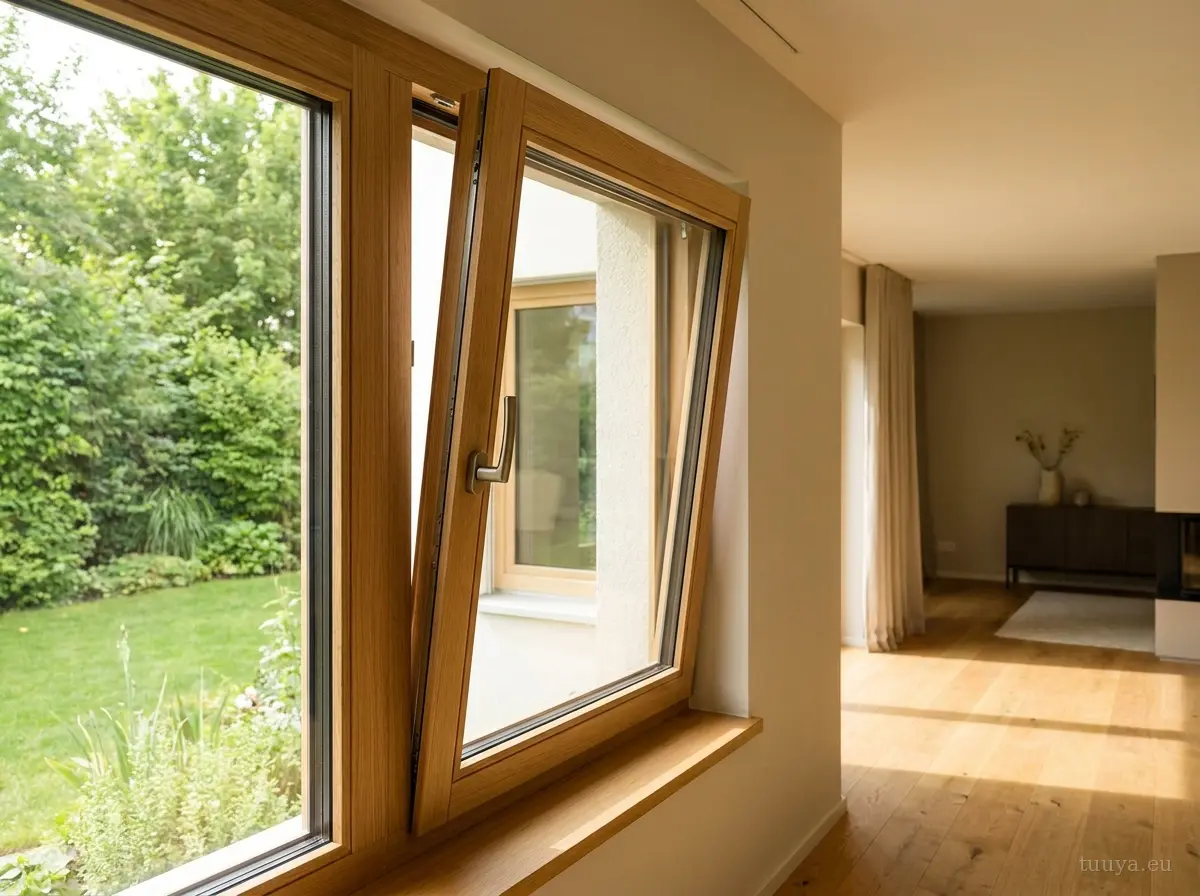
Tilt & turn windows
One handle, two movements: tilt for quiet ventilation, turn to open wide and clean. The deep-profile default of continental Europe, up to Passive House targets.
-
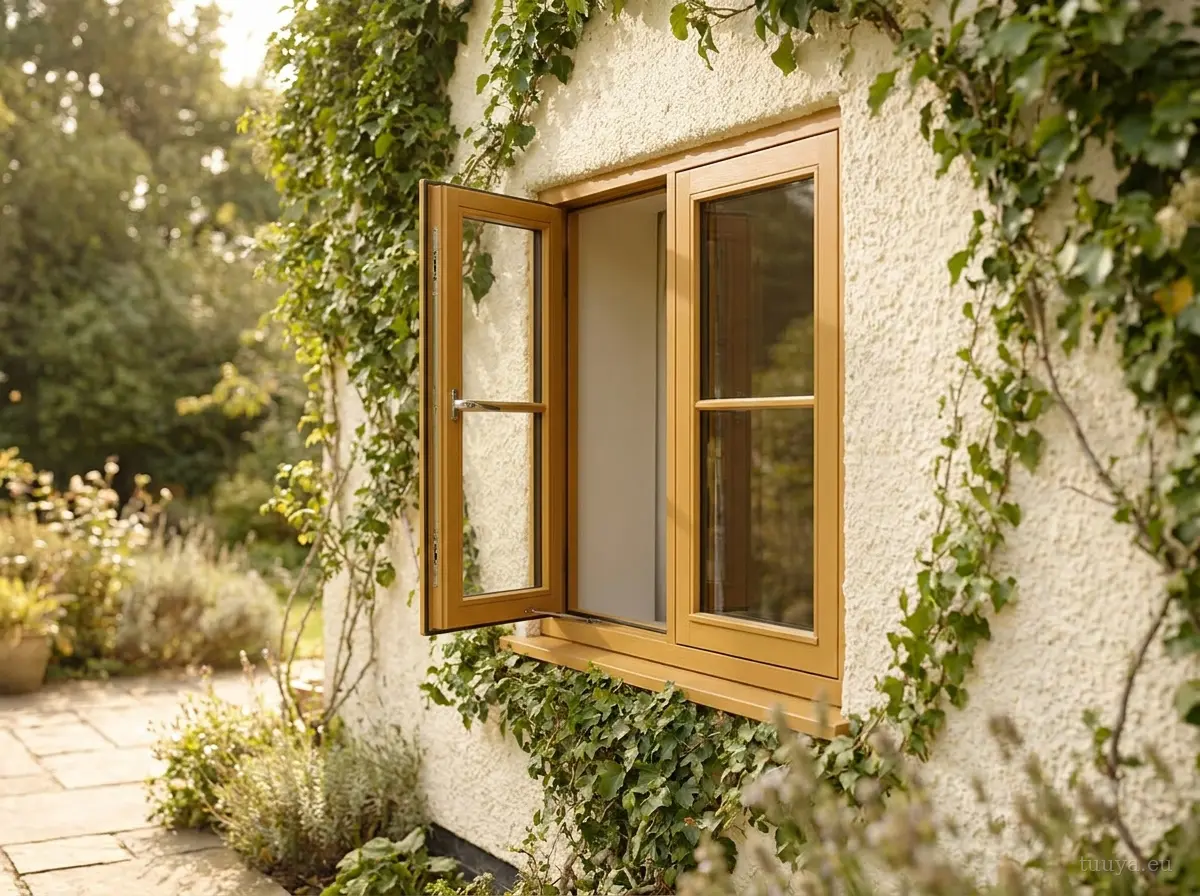
Casement windows
Side-hung sashes that open outward on a stay, the everyday timber window of cottages, farmhouses and new builds alike.
-
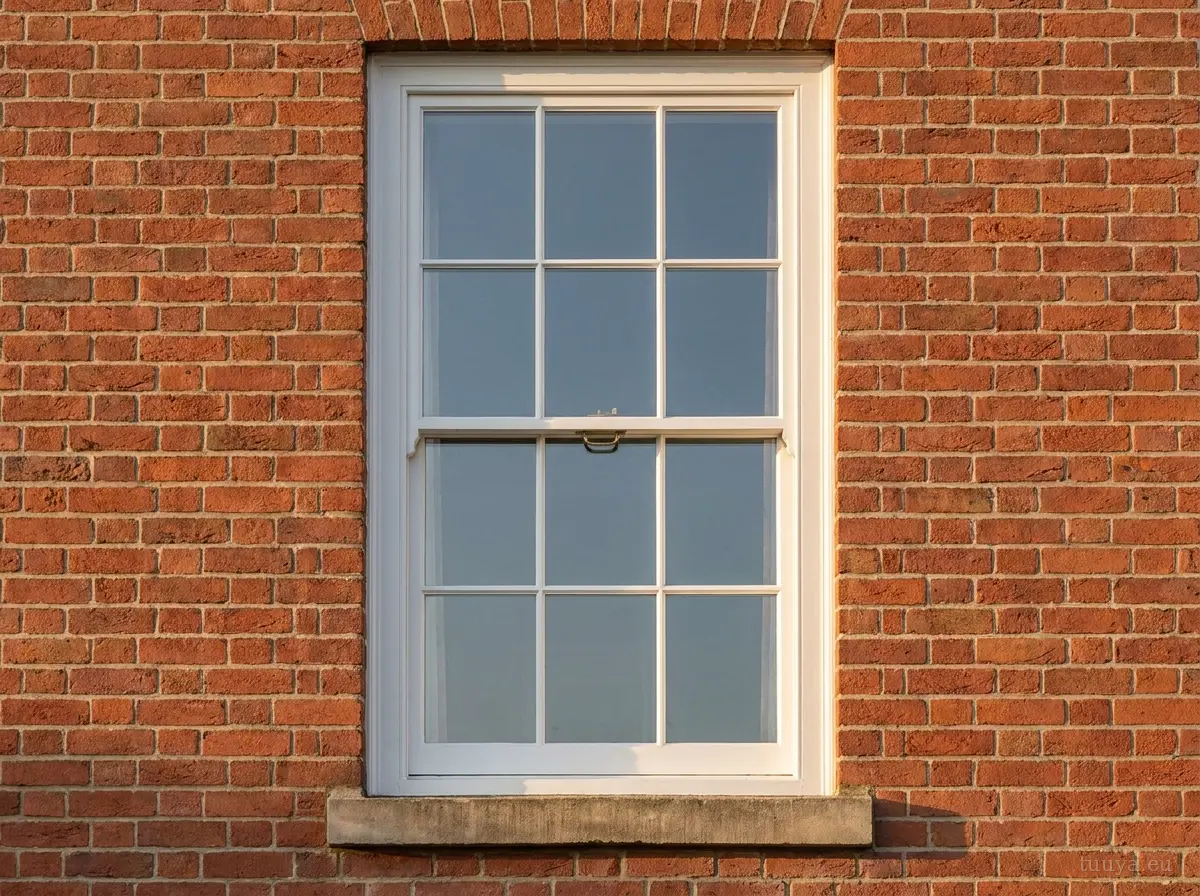
Box sash windows
Vertical sliding sashes with slim glazing bars, the proportion the British street was built around, made to conservation detail.
-
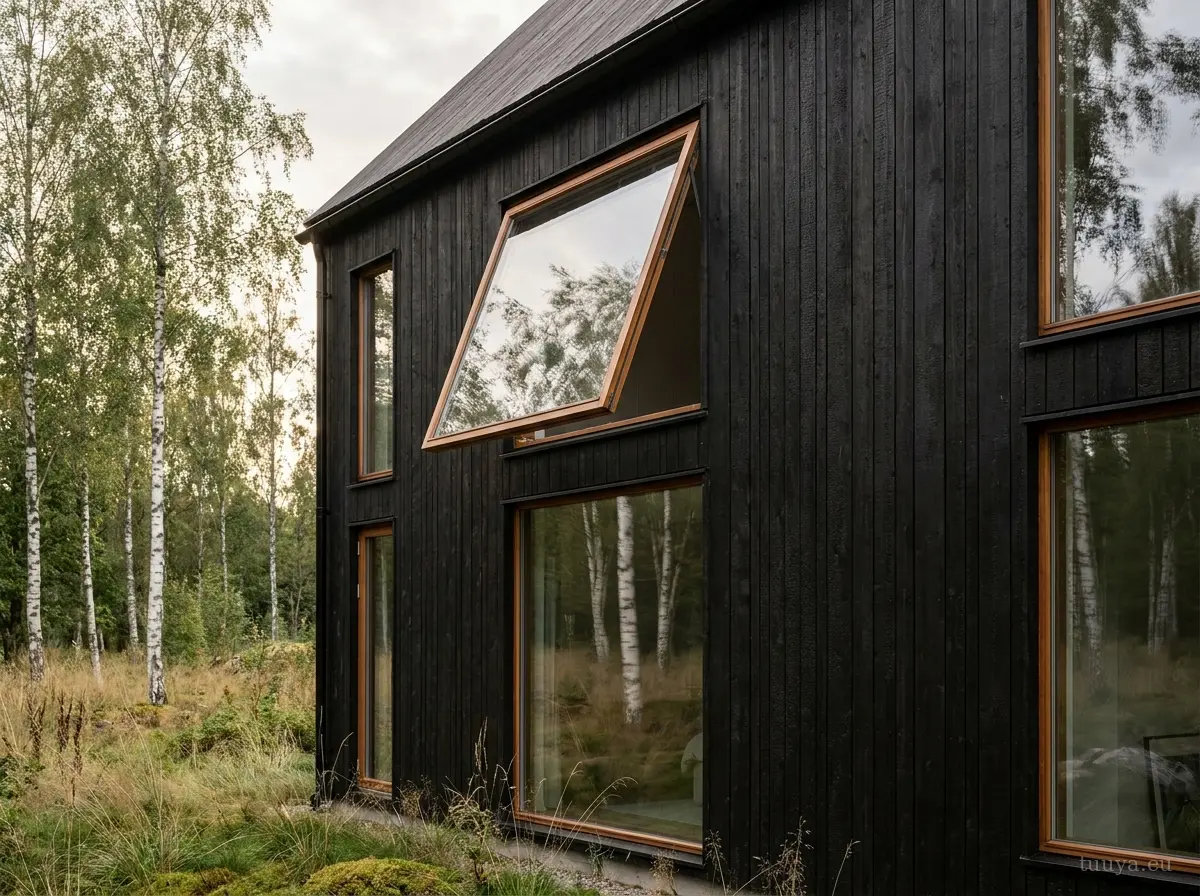
Scandinavian windows
Outward-opening, top-guided and fully reversible sashes in slim frames that give the room more glass and let you wash the outside from indoors.
-
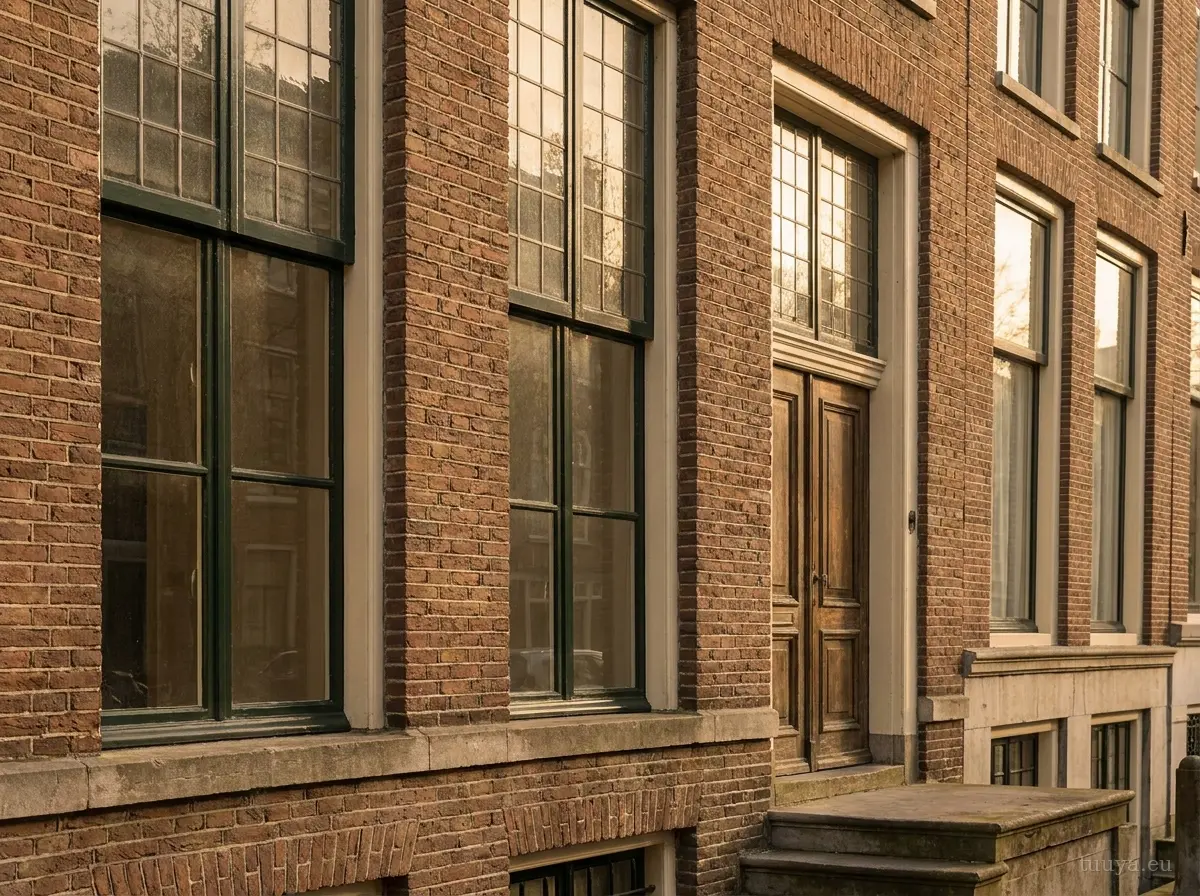
Dutch-style windows
Tall openings and generous glass, the calm geometry of the canal house, with deep sills that shed the weather and painted facades built to last.
-
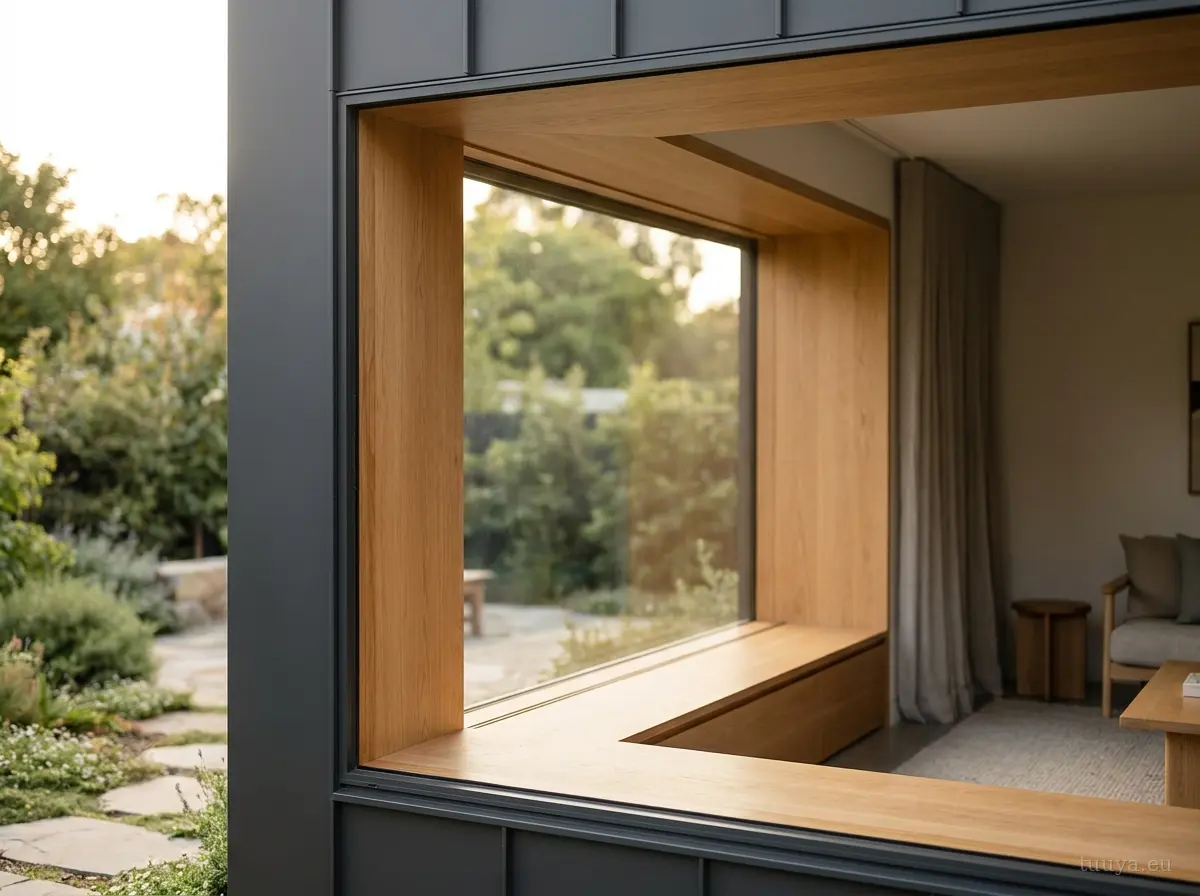
Alu-clad (wood-aluminium)
Timber on the inside, an aluminium shell on the outside: the warm room, and an outer face that never needs a paintbrush.
-
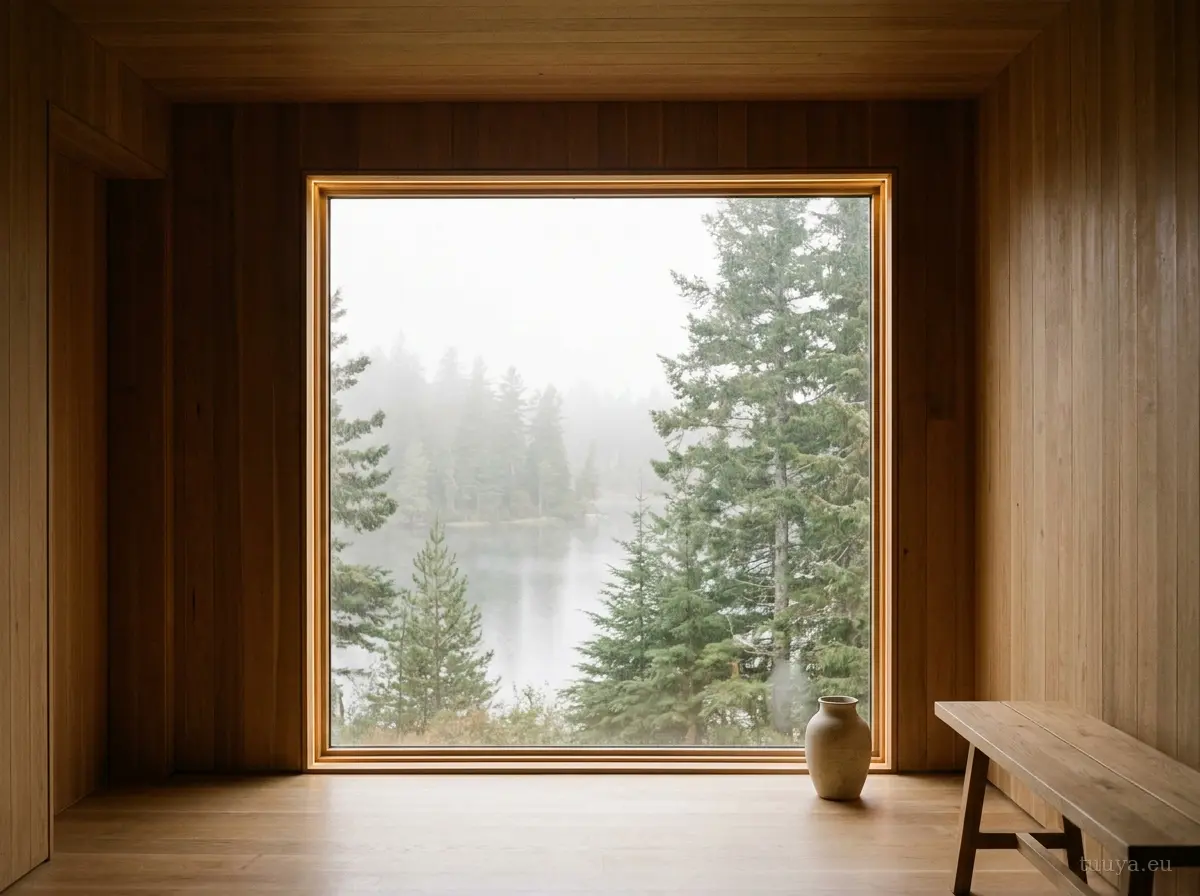
Fixed & picture windows
Big sealed panes that frame a view like art, from a single window to a whole glazed wall, with no opening to lose heat through.
-
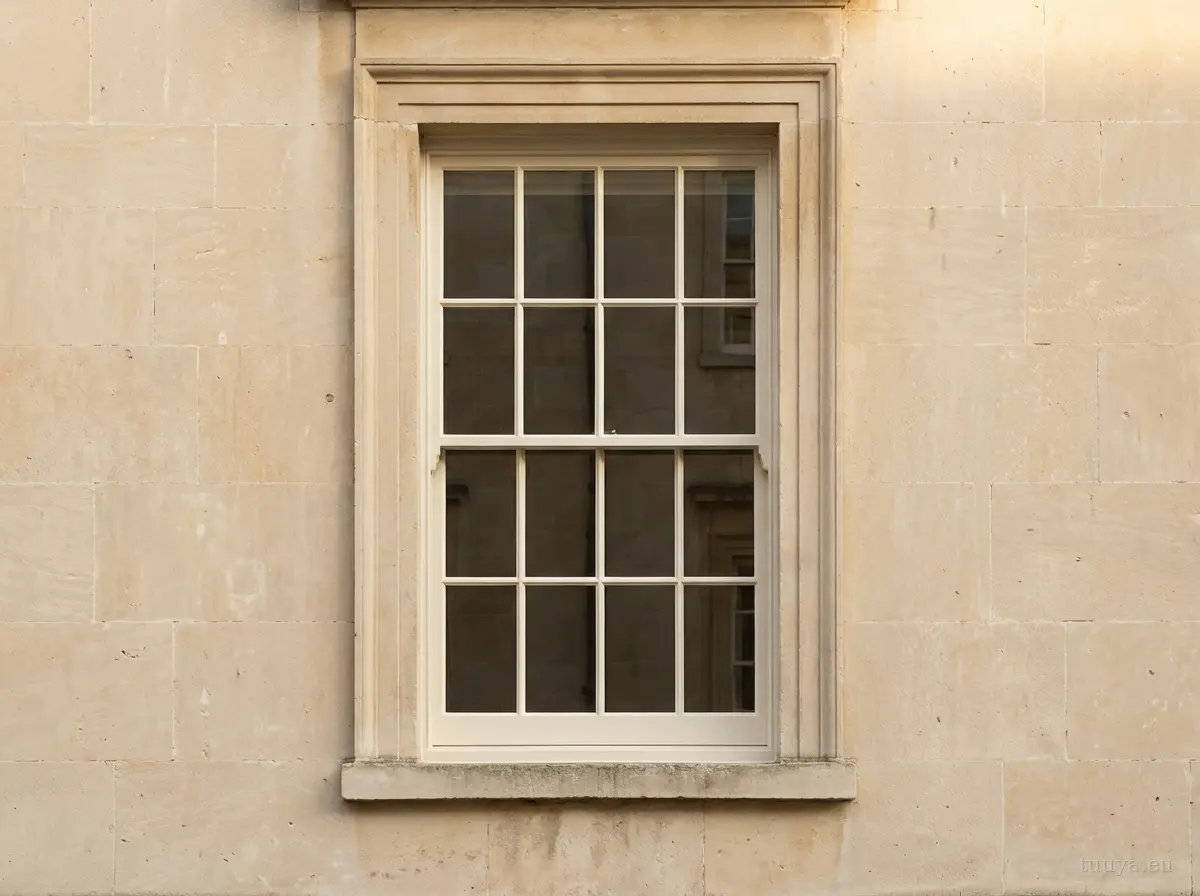
Heritage & conservation
Slim-section sashes and casements drawn to match a listed facade, the old profile carried in modern glass where the planners ask for it.
-
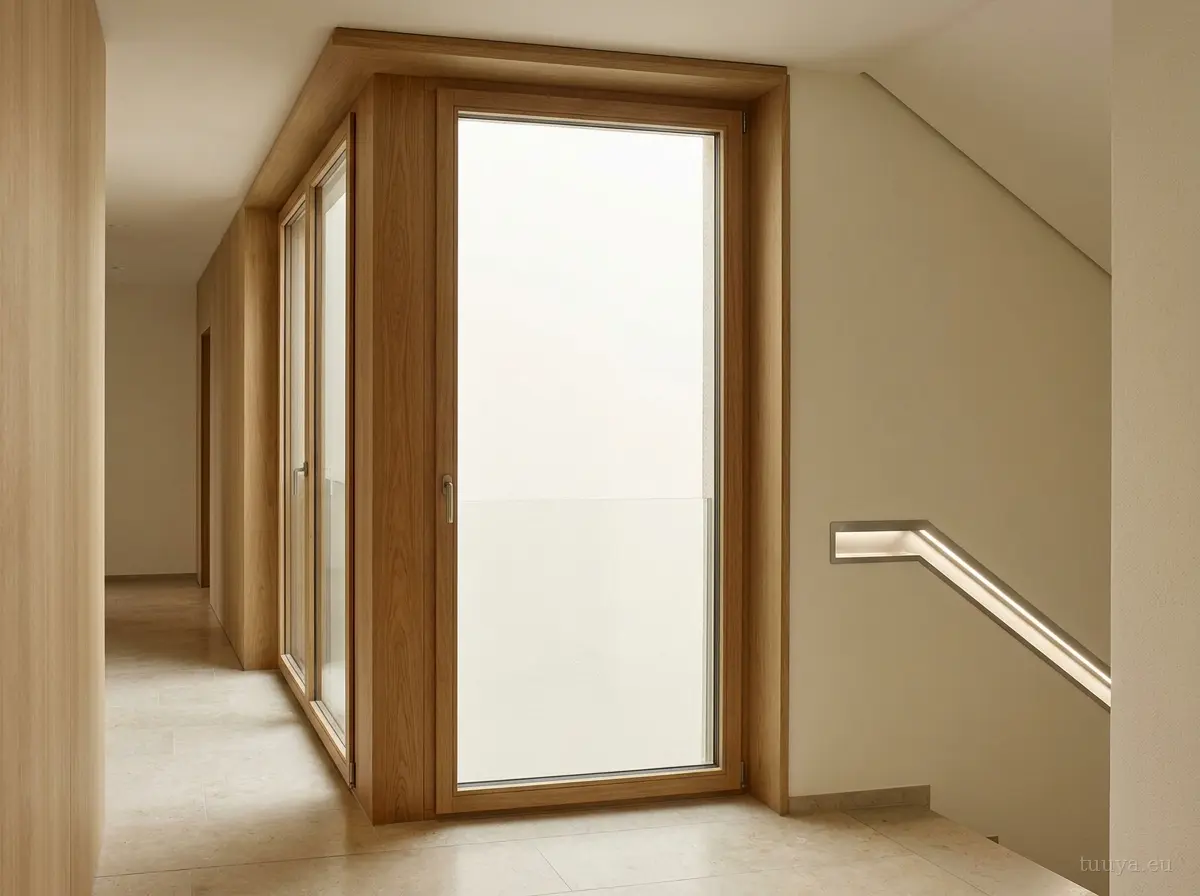
Fire-rated windows
EI-rated timber windows for corridors, boundaries and shared buildings, where the opening has to hold back fire, not just weather.
What a wooden window is today
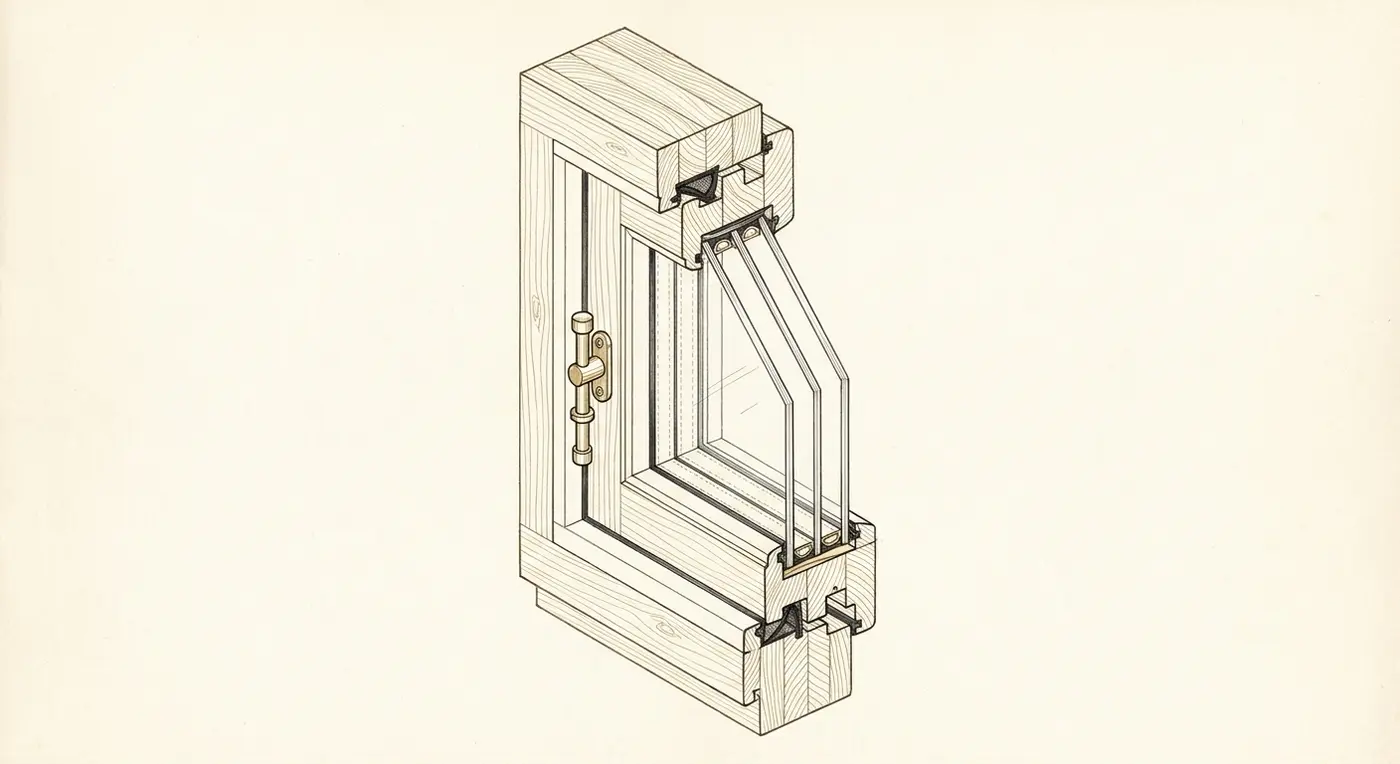
A generation ago the wooden window nearly lost the argument to uPVC: cheaper to buy, nothing to repaint, fitted in a day. What returned is a different product. Today's wooden windows are engineered: frames laminated from selected lamellas so they stay straight, factory-applied coatings on a defined maintenance cycle, glazing units chosen for the climate rather than the catalogue, and hardware that locks at multiple points instead of one.
The practical case for timber rests on how it ages. Unlike synthetic profiles, a wooden frame can be planed, patched, re-oiled and repainted for decades instead of replaced; it keeps a facade honest in a way extrusions cannot; and when the outside face has to survive salt wind or driving rain with minimal upkeep, the same frame takes an aluminium shell and becomes alu-clad. That is the range we make, in one workshop: from a heritage sash for a conservation street to a 92 mm frame specified for Passive House targets.
TUUYA makes wooden windows to measure in Latvia and delivers them across Europe, surveyed, made and installed as one project, with the specification in writing before production starts.
Inside the frame
The quiet engineering that decides how a window behaves in year twelve, not in the showroom.
- Laminated, not sawn whole. Frames are glued from selected lamellas, so the profile stays straight through seasons that would twist a solid plank.
- Profile depth drives the energy class. The deeper the frame, the more glass and insulation it holds, and the lower the Uw it can reach.
- Hardware that carries the sash. Multi-point locking and concealed hinges from established European hardware makers, specified per opening type and security class.
Four frame depths
One family of laminated timber profiles, machined to the depth your climate and energy target ask for.
| Depth | Glazing it takes | Uw (W/m²K) | Where it fits |
|---|---|---|---|
| 68 mm | Double or triple | 1.0 to 1.3 | Renovation, heritage, milder climates |
| 78 mm | Triple | 0.8 to 1.1 | Low-energy new builds |
| 92 mm | Triple or quadruple | 0.7 to 0.9 | Passive House targets |
| 115 mm | Triple or quadruple | down to ~0.6 | The coldest, most exposed sites |
Two, three or four panes of glass
The glass unit is where most of the thermal and acoustic work happens. We build three levels, and the right one depends on your climate, your noise and your energy target, not on a catalogue.
-
Double
Two panes, a low-emissivity coating and argon fill. Ug around 1.0, a whole-window Uw of 1.0 to 1.3, and roughly 32 dB of sound reduction.
Renovation · milder climates · 68 mm frame
-
Triple
Three panes, two low-e coatings, two argon cavities and a warm-edge spacer. Ug around 0.6 and a whole-window Uw often near 0.8: the warm, quiet choice for a low-energy house.
Low-energy homes · 78 to 92 mm frame
-
Quadruple
Four panes in a deep sealed unit, Uw reaching about 0.6 and sound reduction near 40 dB. Passive House performance for the coldest and quietest sites.
Passive House · extreme cold · 115 mm frame
Laminated safety, acoustic and solar-control glass can be built into any of the three, where the site asks for it.
Four woods
The frame is chosen per elevation, not per catalogue. Four species cover almost everything we build.
-
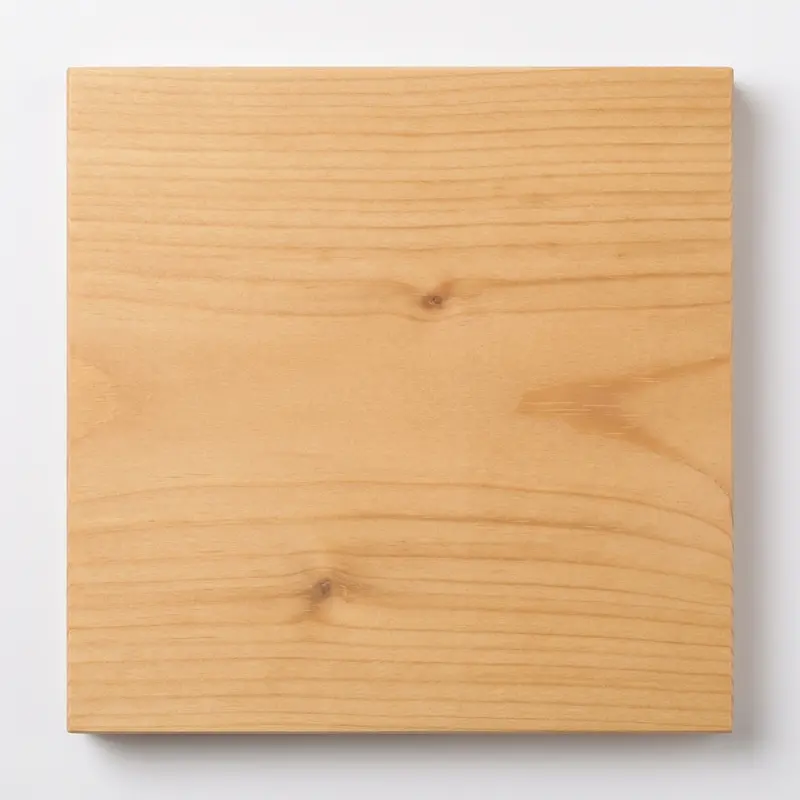
Pine
The working standard: stable, well-priced and the wood that takes paint most beautifully. Most painted windows start here.
-
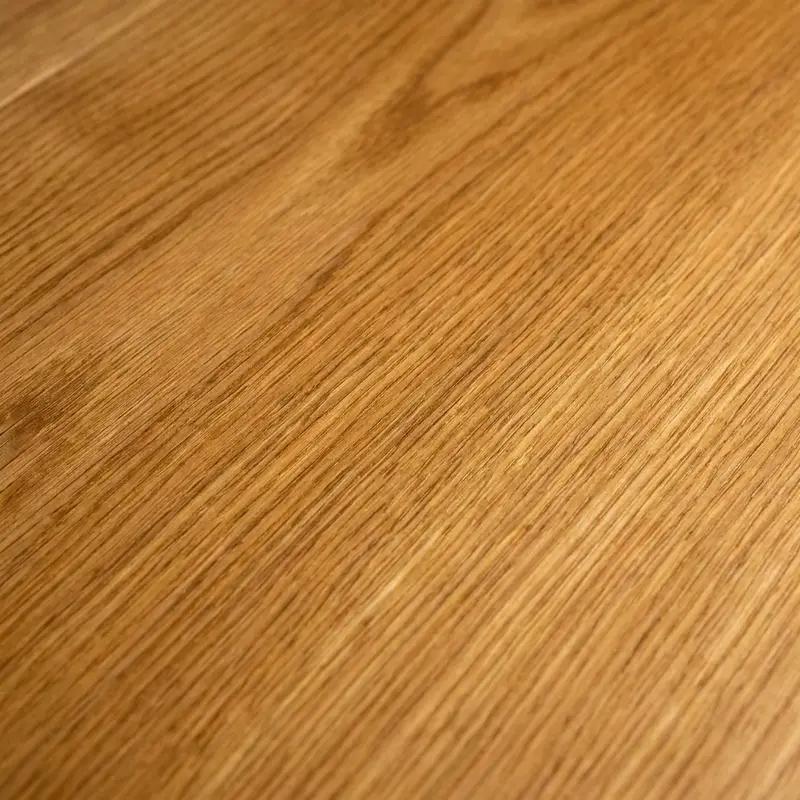
Oak
Weight, hardness and a long service life, with a grain worth leaving on show. The choice when the window should last as long as the house.
-
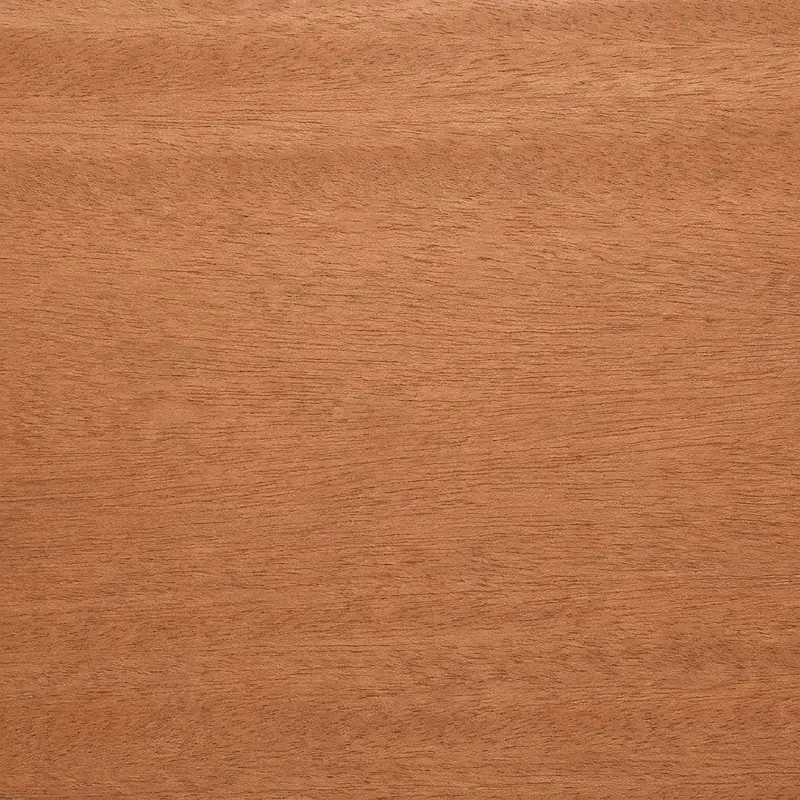
Meranti
A tropical hardwood valued for dimensional stability as humidity changes, long favoured for painted joinery in the Netherlands and Germany.
-
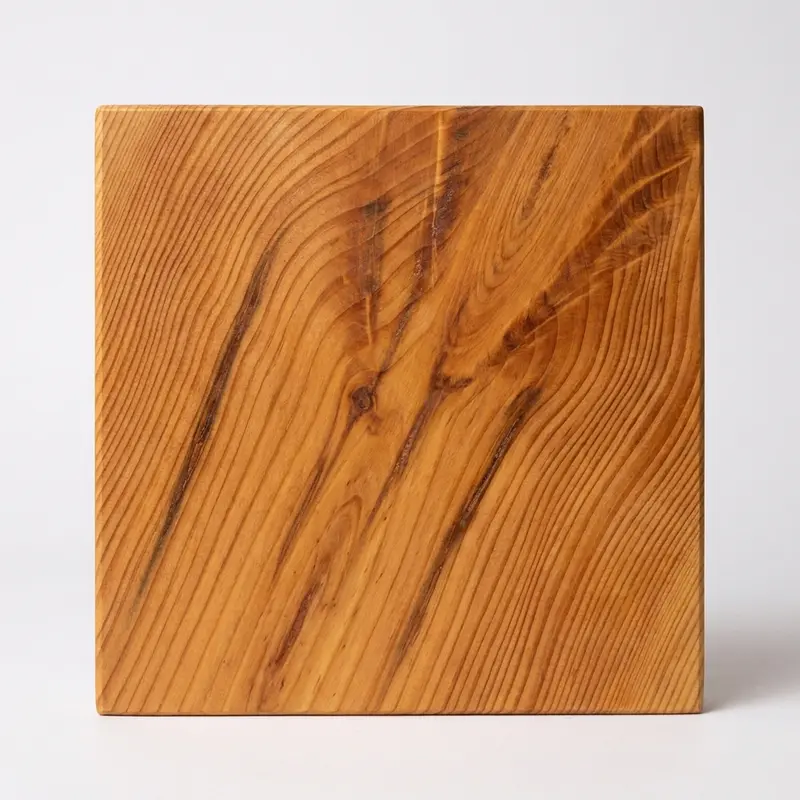
Larch
Naturally durable for a softwood, often chosen for coasts, lakesides and other wet, exposed sites.
Windows that do a harder job
Same frames, same workshop, built to a specific brief. Where a window needs a fire, acoustic or security rating, we specify a tested configuration and supply the documentation.
- Fire-rated. Fire-resisting timber windows to EN 16034, from EI-30 upwards where the exact build is tested and documented, with intumescent seals and fire glass, for apartment corridors, boundary walls and listed buildings.
- Acoustic. Laminated acoustic glass and asymmetric units push sound reduction well past a standard window, for roadsides, flight paths and city centres.
- High security. RC2 burglary resistance to EN 1627, and RC3 where the specification supports it, with reinforced hardware and locking, for ground floors and exposed plots.
- Alu-clad. Most window types can take an aluminium shell on the outside with timber left natural inside, for elevations that should never need a paintbrush.
What drives the price
Made-to-measure windows are priced per project. These are the factors that move the quotation.
Count and sizes
The schedule of openings sets the base: how many windows, how large, how many are doors.
Type and opening
A fixed light, a casement and a fully reversible sash are three different mechanisms at three different costs.
Profile and glazing
Frame depth and the glass unit decide the thermal and acoustic class, and most of the difference between quotes.
Species and finish
Pine to oak, paint to natural oil: material and coating are chosen per project, not from a single default.
Security, acoustic, fire
RC2 hardware, sound-rated glass and EI-30 fire builds are added where the brief asks, and priced as options.
Delivery and installation
Supply only, or survey, delivery and installation as one contract with one responsible team.
Send the opening list, the drawings or just photographs of the house, and the answer is a written specification and a project price: start below.
How timber compares
No frame material wins every row. A timber window earns its place on long life, repairability and the way it ages; the honest cost is that it wants recoating every decade or so. These are current industry ranges, not our marketing.
| Timber | uPVC | Aluminium | Alu-clad | |
|---|---|---|---|---|
| Service life | 60 to 80+ years, maintained | 20 to 30 years | 40 to 50 years | 50 to 60 years |
| If it is damaged | Sanded, filled and refinished | Usually replaced | Hard to patch | Timber side repairable |
| Quiet | Dense frame, strong with acoustic glass | Moderate | Metal resonates | Dense and quiet |
| Upkeep | Recoated every 8 to 12 years | Wash only | Wipe down | Aluminium face, low upkeep |
| Cost over 60 years | Lowest, bought once | Highest, replaced two or three times | Medium | Low to medium |
| Material | Renewable, stores carbon | Petrochemical plastic | Energy-intensive to smelt | Mixed materials |
Whole-unit acoustic and thermal figures depend on the glazing and installation, not the frame alone. We quote the exact numbers with your specification.
Windows that belong to the house
We are a timber house company with our own window production. The same logic that shapes our mass timber houses and A-frame kits runs through the windows: one material discipline, with our engineering and manufacturing responsible for the result. Order windows alone, or specify windows and doors as part of a TUUYA house.
From survey to delivery or installation
- 01
Survey and specification
Openings measured or taken from drawings, the type and glazing chosen, and a written quotation before production.
- 02
Manufacture
Frames machined, finished and glazed in the factory, quality-checked as complete units, with the schedule set out in your quotation.
- 03
Delivery and installation
Across Europe, as supply only or installed by our crew, sealed and adjusted, with the paperwork your building process needs.

CE marked to EN 14351-1, with burglary-resistant and fire-rated configurations available by specification. FSC or PEFC timber, made in Latvia.
Window questions, answered straight
Are wooden windows expensive compared to uPVC?
To buy, usually yes. Over the life of the house the arithmetic changes: timber is repaired and refinished where plastic is replaced, and it keeps a facade's architectural value. You are buying a repairable window, not a disposable one.
Does anyone still make proper wooden windows?
Yes, and mostly in workshops like ours rather than on mass lines. Engineered timber frames, modern glazing and serious hardware have quietly moved the craft far past the draughty single-glazed memory people argue about.
What are the common problems with wooden windows?
Neglected coatings, bad detailing that traps water, and cheap softwood in the wrong climate. All three are reduced by factory detailing: laminated frames, end-grain sealing, finishes applied before glazing, and species matched to exposure.
Timber or alu-clad: which should I choose?
Pure timber for warmth, repairability and a wooden face inside and out; alu-clad when you want the timber room and a low-maintenance aluminium face to the weather. On exposed elevations we often quote both side by side.
Which wood species is right for my windows?
Pine covers most projects and takes paint beautifully. Larch earns its keep on coasts and wet sites, meranti stays dimensionally stable in changing humidity, and oak is the hardwood choice. We recommend per elevation, not per catalogue.
Do you sell standard-size stock windows?
No. Every window is made to measure for its opening, its climate and its regulations, as part of a surveyed project. If you need an off-the-shelf window this week, a builders' merchant will serve you better; if you need windows for a house, that is exactly what we do.